
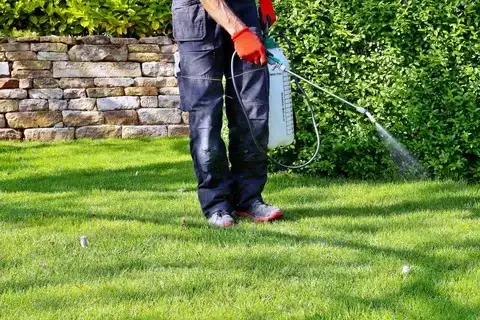
Every homeowner knows the sinking feeling of discovering tiny intruders in unexpected places. A lone ant crawling along the countertop or mysterious droppings in the garage can signal the start of a full-blown infestation. Instead of waiting for the problem to escalate, proactive measures deliver lasting protection and peace of mind. In this guide, we explore the art and science behind effective pest elimination, highlight common pitfalls, and reveal the secrets of long-term success.
Understanding the Enemy
Pests are more than nuisances—they’re survivors. Whether it’s cockroaches thriving in warm, damp environments or mice exploiting the smallest crack, these creatures know how to adapt. Preventive inspections are crucial. Look for entry points around doors, windows, and utility lines. Moisture zones under sinks and crawl spaces near the foundation often become hidden breeding grounds. By recognizing these hotspots, you can thwart an invasion before it starts.
Integrated Strategies for Maximum Impact
Piecing together a plan that addresses multiple pest species is the hallmark of modern control. A one-size-fits-all spray may work temporarily, but the smartest solutions involve targeted tactics. Begin by sealing gaps and fixing leaks—this simple step cuts off critical food and water sources. Next, place traps or baits in strategic locations, such as along baseboards or behind appliances. Finally, schedule regular inspections to catch any resurgence early on. This layered method ensures no pest gets a free pass.
Common DIY Mistakes to Avoid
Many DIY enthusiasts fall into traps—literally—by overusing general-purpose sprays or neglecting follow-up. Relying solely on over-the-counter foggers can push pests deeper into your walls rather than eliminating them. Ignoring protective gear or treating during the heat of the day can reduce effectiveness. Instead, invest in quality tools: snap traps for rodents, perimeter baits for insects, and handheld moisture meters to pinpoint damp zones. Small adjustments make a big difference.
When to Call the Experts
DIY treatments can be tempting, but certain scenarios demand professional intervention. Termite colonies hidden within walls or rodents burrowing in insulation pose serious health and structural risks. Certified technicians bring specialized equipment and scientific knowledge to identify infestation scope and customize treatments accordingly. For properties with recurring issues, expert services guarantee thorough eradication and follow-up visits to maintain a pest-free environment.
Spotlight on Termite and Rodent Control Kansas City
In urban and suburban neighborhoods alike, wood-damaging termites and disease-carrying rodents remain top concerns. Effective termite and rodent management hinges on early detection. Annual inspections by trained specialists can reveal subtle signs—mud tubes behind foundations or tiny gnaw marks on baseboards. Once detected, advanced baiting systems combined with targeted barriers protect both wood and masonry. With diligent monitoring, you’ll save thousands on costly structural repairs down the line.
The Role of Data and Technology
Today’s leading pest programs leverage data. Wireless sensors track rodent movement, alerting you to fresh activity before it becomes visible. Infrared cameras can peer into voids to locate nesting areas. Cloud-based service portals let you review inspection reports, treatment dates, and performance trends at a glance. By embracing tech-driven solutions, you move from reactive spraying to predictive prevention—catching problems in the cradle rather than the hospital.
Eco-Conscious Solutions
While knocking out pests is critical, many homeowners also care about the environment and family safety. Fortunately, eco-friendly formulations have evolved beyond simple botanical extracts. Innovative micro-encapsulated treatments release active ingredients only upon contact with insects, reducing chemical runoff. Enzyme-based cleaners neutralize droppings and pheromone trails to discourage return visits. By choosing green-certified products and collaborating with trained technicians, you strike the perfect balance between effective control and responsible stewardship.
Case Study: Neighborhood Transformation
In a mid-town subdivision, homeowners suffered recurring ant invasions each summer. A coordinated neighborhood inspection revealed shared mulch beds and cracked sidewalk joints as entry hotspots. After a community spray-and-seal initiative, ant sightings plummeted by 92% within two weeks—and remained minimal through the following season. This neighborhood transformation highlights how even modest structural fixes, paired with targeted treatments, yield dramatic, lasting results.
Maintaining a Pest-Resilient Home
The best defense is a resilient offense. Keep clutter to a minimum, store food in sealed containers, and manage yard debris away from the foundation. Indoor humidity should remain below 50% to discourage mold and insects that thrive in damp conditions. Check weather stripping around doors each season and inspect crawl spaces for water intrusion after heavy rainfall. A few minutes of regular maintenance can save countless hours—and dollars—in potential pest remediation.
Conclusion: Empowered and Protected
Pests may adapt quickly, but your home can adapt faster. By combining structural upgrades, strategic treatments, tech innovations, and ongoing vigilance, you turn your property into an unwelcome environment for any six-legged or fur-bearing invader. Early action and informed decisions form the cornerstone of long-term success. With the right plan in place, you’ll enjoy a clean, safe, and pest-free haven for years to come.